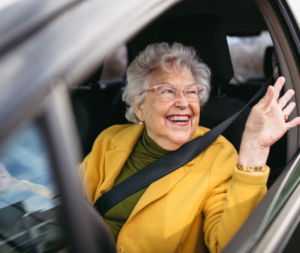
As a home care owner, I visit many families who face difficult decisions, but one conversation remains the most emotionally charged. It is the moment a family begins wondering whether their aging parent should still be driving. No one wants to take away a senior’s independence. No one wants to be the “bad guy.” But ignoring the signs can have serious consequences.
Driving is more than transportation for older adults. It represents freedom, control, identity, and dignity. That makes this topic incredibly sensitive. Yet, after years of working in home care, I have seen how important it is to recognize the warning signs early and approach the decision with compassion.
Eye Care Month reminds us to protect our vision, but conversations about older drivers remind us to protect families. So let me share what I see from inside the homes of seniors, the real-life signs that families often ignore, and how to approach this transition with empathy.
The Truth Families Struggle to Face
Many families avoid talking about driving because it feels like questioning someone’s capability. But aging changes how quickly people can react, judge distances, process information, and stay alert. These changes are natural, yet dangerous behind the wheel.
I have heard families say things like:
“He has been driving his whole life.”
“She only drives short distances.”
“He knows the area better than anyone.”
But accidents can happen anywhere. And experience does not always protect against slower reflexes or impaired judgment.
The Signs Most People Overlook
Over the years, I have learned that families often miss early warning signs because they happen quietly. Here are some of the most common signs I see when visiting clients.
1. Small Vehicle Scratches and Dents
Families sometimes laugh these off as “parking mistakes,” but they often indicate depth perception issues or trouble judging distances. Even minor scratches can be early warning signals.
2. Confusion in Familiar Areas
When an older adult gets lost in a neighbourhood they have driven for years, it is more than forgetfulness. It is a change in cognitive processing that affects safe driving.
3. Delayed Reaction Time
This appears in simple ways. A hesitation at green lights, slow braking, or trouble switching lanes. Delay can turn dangerous in unexpected traffic situations.
4. Increased Anxiety While Driving
Some seniors start gripping the steering wheel too tightly. Some avoid busy roads or drive extremely slowly. Anxiety is often their way of compensating for declining confidence.
5. Difficulty Turning to Check Blind Spots
Neck stiffness, arthritis, or reduced flexibility make driving harder. Many seniors avoid turning fully, which increases the risk of side collisions.
6. Vision Issues That Affect Night Driving
Several clients avoid driving after dark because headlights appear too bright or road signs are blurry. This is a sign the eyes are struggling to adapt to changing light.
Why Families Delay Action
Families wait because they feel guilty. They know driving is often the last piece of freedom their loved one holds onto. But waiting too long can lead to accidents that affect more than just the driver.
I have heard stories from families who said, “We wish we had talked about this sooner.” I have seen the fear, regret, and stress that follow an incident. And I have seen how much smoother the transition can be when action is taken early.
What Home Care Teaches You About Safe Driving
As a home care owner, I see firsthand how aging affects daily judgment, reflexes, and decision-making. A person may seem capable at home but struggle under the pressure of real traffic. Eye health, cognitive changes, medication side effects, and mobility challenges all influence driving safety.
We often work with clients who do not realize how much they have changed. That is normal. Self-awareness fades with age, especially when independence feels threatened. That is why families must stay alert and lead these conversations.
The Most Compassionate Way to Address Driving Concerns
Talking about driving does not have to feel like taking something away. It can be framed as a safety discussion, a shared responsibility, and a way to protect independence in other forms.
Here are approaches that work well in home care settings.
1. Focus on Safety, Not Age
Avoid saying “You are too old to drive.” Instead, say:
“I want to make sure you feel safe and confident on the road.”
2. Use the Doctor’s Perspective
Seniors often accept professional advice more easily than family advice. A vision or cognitive assessment can lead to a neutral, informed recommendation.
3. Suggest Gradual Changes
Stopping suddenly can be overwhelming. Encourage:
- avoiding night driving
- avoiding highways
- limiting long distances
- practicing short familiar routes
This can soften the shift.
4. Offer Alternative Transportation
Independence should never disappear. Offer help with:
- rides from family
- ride-share services
- senior transport programs
- home care transportation support
The goal is to replace independence, not remove it.
5. Remind Them That Many Seniors Choose to Stop
Driving less is not weakness. It is wisdom. Let them know they are not alone.
A Final Message from a Home Care Owner
Working in home care has taught me that families often underestimate how quickly driving skills can decline. They wait because they do not want to upset their loved one. They wait because they hope things will improve. But safe driving is not just about one person. It affects every family member and every person on the road.
If you are noticing small changes, pay attention. If you are unsure, ask for support. Home care teams, doctors, physical therapists, and occupational therapists can help evaluate driving readiness.
Driving represents independence, but safety represents love.
Recognizing the signs early and approaching the conversation with care can protect your loved one, and possibly protect others too. Sometimes the most loving act is the hardest one to bring up, but also the one that prevents the greatest loss.