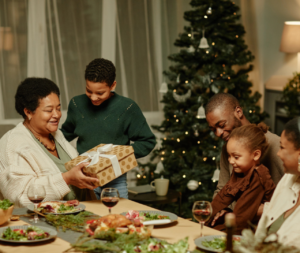
Christmas has a way of slowing time just enough for us to notice things we usually miss. When families gather under one roof, routines pause, conversations stretch longer, and we observe one another more closely. As a home care owner, I have learned that these moments often reveal more than any scheduled check-in ever could.
During Christmas gatherings, many families quietly realize that someone they love may need more support than they are willing to admit.
Why the Holidays Bring Hidden Needs to the Surface
For most of the year, life happens in fragments. Short visits. Quick phone calls. A holiday gathering is different. It offers extended time together, shared meals, and unstructured observation.
This is when subtle changes become visible. A loved one hesitates before standing up. They tire faster than before. They avoid certain rooms. They quietly sit out activities they once enjoyed.
These are not signs of weakness. They are signs of adaptation.
From a care perspective, the holidays provide a rare window into how aging is shaping daily life.
Why Seniors Often Downplay Their Struggles
Many older adults have spent a lifetime being independent. Admitting the need for help can feel like a loss of identity.
During festive gatherings, this instinct becomes even stronger. No one wants to be the reason plans change or attention shifts. Seniors may hide discomfort, push through fatigue, or avoid asking for assistance to protect the joy of the moment.
As someone who supports seniors daily, I see this often. The desire to preserve harmony can unintentionally increase risk.
The Small Behaviors That Speak Loudest
Support needs rarely show up as dramatic incidents. They appear quietly in behavior.
You may notice a loved one choosing a chair closer to the wall for balance. Holding onto furniture while walking. Standing less during conversations. Skipping stairs entirely. Declining outings they once looked forward to.
From a mobility and home care perspective, these choices reflect self-awareness. They also signal areas where extra support could improve safety and confidence.
Emotional Changes Matter Just as Much
Christmas is emotional. It brings memories, reflection, and sometimes grief.
A loved one who seems withdrawn, anxious, or unusually quiet may be experiencing emotional strain alongside physical challenges. Feeling overwhelmed in busy environments or uncomfortable asking for help can lead to emotional withdrawal.
As a care provider, I believe emotional safety is inseparable from physical safety. When seniors feel emotionally secure, they move with more confidence and clarity.
Why Family Presence Makes a Difference
One of the most important aspects of Christmas gatherings is the presence of family. Familiar faces create a sense of trust and openness that does not exist in clinical settings.
This environment makes it easier to notice changes without judgment. It also creates space for gentle conversations.
Asking simple questions like “What feels hardest these days?” or “Is there anything that makes moving around feel less comfortable?” opens doors without pressure.
Turning Observation Into Support, Not Alarm
Noticing a need for more support does not mean immediate action or drastic change. It means awareness.
Support can be as simple as adjusting furniture placement, improving lighting, or offering assistance in a way that feels natural. Sometimes it is about planning future conversations rather than solving everything at once.
From my experience, the most effective support begins quietly and grows with trust.
Respecting Independence While Offering Help
One of the biggest fears seniors face is losing control over their lives.
Support should never feel like supervision. It should feel like partnership.
Involving loved ones in decisions preserves dignity and encourages cooperation. Asking for input shows respect and reinforces autonomy.
As someone who works across care and service industries, I know that trust is built when people feel included, not managed.
When Safety Conversations Feel Easier
The holidays create a unique opportunity for meaningful dialogue.
Conversations about safety and support feel less threatening when wrapped in care and connection. They are easier to approach when everyone is together and emotionally engaged.
This is not about diagnosing problems. It is about understanding needs.
What Comes After the Holidays Matters Most
The true value of these observations lies in what happens next.
Following up with gentle check-ins, offering practical help, or exploring supportive services can make a lasting difference. Support does not need to be immediate to be meaningful.
From a home care perspective, early awareness prevents crisis and supports aging in place with dignity.
A Season That Reveals and Connects
Christmas gatherings do more than bring families together. They reveal how well a home and routine are supporting the people we love.
When we notice with compassion and respond with respect, we strengthen both safety and relationships.
From my blended perspective as a home care owner and advocate for independent living, I believe the holidays offer a rare gift. The chance to see, to listen, and to support quietly, in ways that honor both independence and care.